Politics & Diplomacy
Al-Sharaa says the al-Durrah image set his course in Damascus

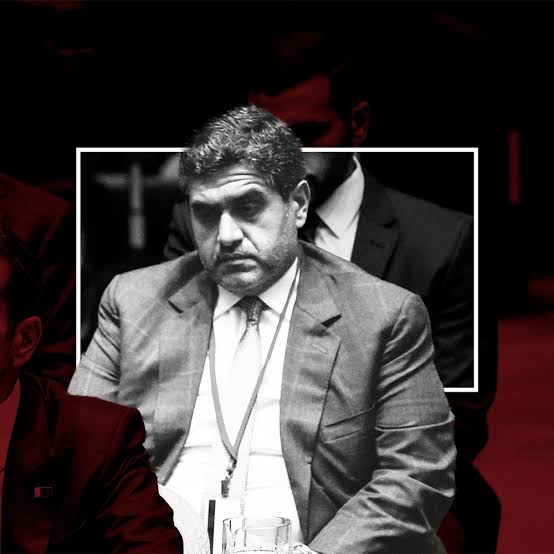
Image credit: Ahmed al-Sharaa — Wikimedia Commons / Syrian Presidency · License
Original Reporting
Syria's president has placed a Palestinian image at the origin of his own story.
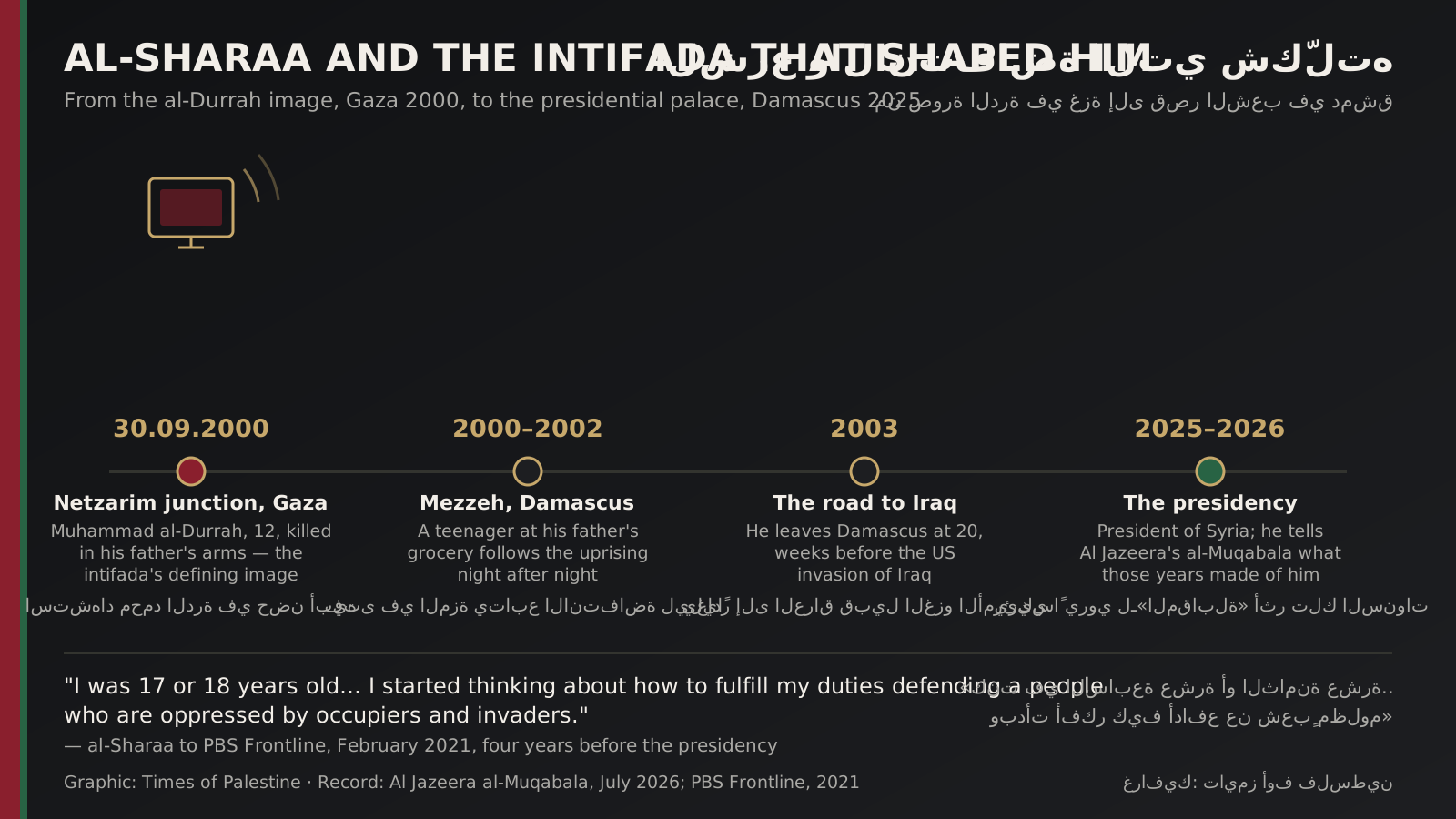
In the long interview he gave Al Jazeera's al-Muqabala program — more than seven hours with presenter Ali al-Dhafiri, recorded on 25 July in Damascus, partly in Mezzeh, the neighbourhood where he grew up, and broadcast in parts from late July — Ahmed al-Sharaa returned to the second Palestinian intifada and to the scene that opened it: Muhammad al-Durrah, twelve years old, dying in his father's arms at Gaza's Netzarim junction on 30 September 2000.
The president recalled that image, and the uprising it came to stand for, as the force that shaped his early years and his thinking in Damascus, before he left Syria for Iraq in 2003.
The al-Durrah footage, filmed by the Palestinian cameraman Talal Abu Rahma for the French broadcaster France 2, went around the world in a day and became the defining image of the intifada's outbreak.
Jamal al-Durrah waving desperately over his son's body was replayed on every Arab channel that autumn; demonstrations filled capitals from Rabat to Damascus, and a generation of Arab teenagers watched the uprising unfold on television night after night.
Al-Sharaa was one of them — a month short of his eighteenth birthday when al-Durrah was killed, the son of a middle-class family from the Golan working after school in his father's grocery in Mezzeh.
His account to al-Muqabala matches what he has said on the record since before he reached the presidency.
Interviewed by Martin Smith for PBS Frontline in February 2021, when he still commanded Hayat Tahrir al-Sham in Idlib under the name Abu Mohammad al-Jolani, he dated his political awakening precisely to that autumn: "I was 17 or 18 years old at the time," he said, "and I started thinking about how to fulfill my duties defending a people who are oppressed by occupiers and invaders." Profile after profile since the fall of the Assad government — from New Lines Magazine to the Arab press — has anchored his biography in the same two poles: a family displaced from the Golan by the 1967 occupation, and a Damascus adolescence lived against the televised images of the intifada.
In 2003, at twenty, he left Damascus for Iraq in the weeks before the American invasion, the departure that began the twenty-year road from foreign volunteer to prisoner, insurgent commander, ruler of Idlib and, since January 2025, president of Syria.
The recollection lands in a present the interview itself laid bare. In the same al-Muqabala conversation, al-Sharaa said Syria avoids confrontation with Israel and described understandings reached with Washington, a new page with Moscow, and his positions on Hezbollah's weapons — the vocabulary of a head of state managing borders, sanctions and reconstruction.
The distance between the two registers is the story of his generation of Arab leaders: men in their forties, formed politically by the images of Gaza in 2000, who now govern states whose files run through the same capitals they once marched against.
For Palestinians, the interview offered a rarer thing than sympathy — a sitting Arab president saying, on the region's most-watched program, that a Palestinian child's death is where his political life began.
What that memory is worth in policy, in a Syria negotiating its place between Washington, Moscow and Tel Aviv, is a question the coming years of his presidency will answer.
,%20Commander%20of%20United%20States%20Central%20Command%20on%20August%208,%202025%20(cropped).jpg?width=640)
%20(cropped).jpg?width=640)