Culture & Arts
Mohammed Assaf carries Gaza's voice from Khan Younis to the world
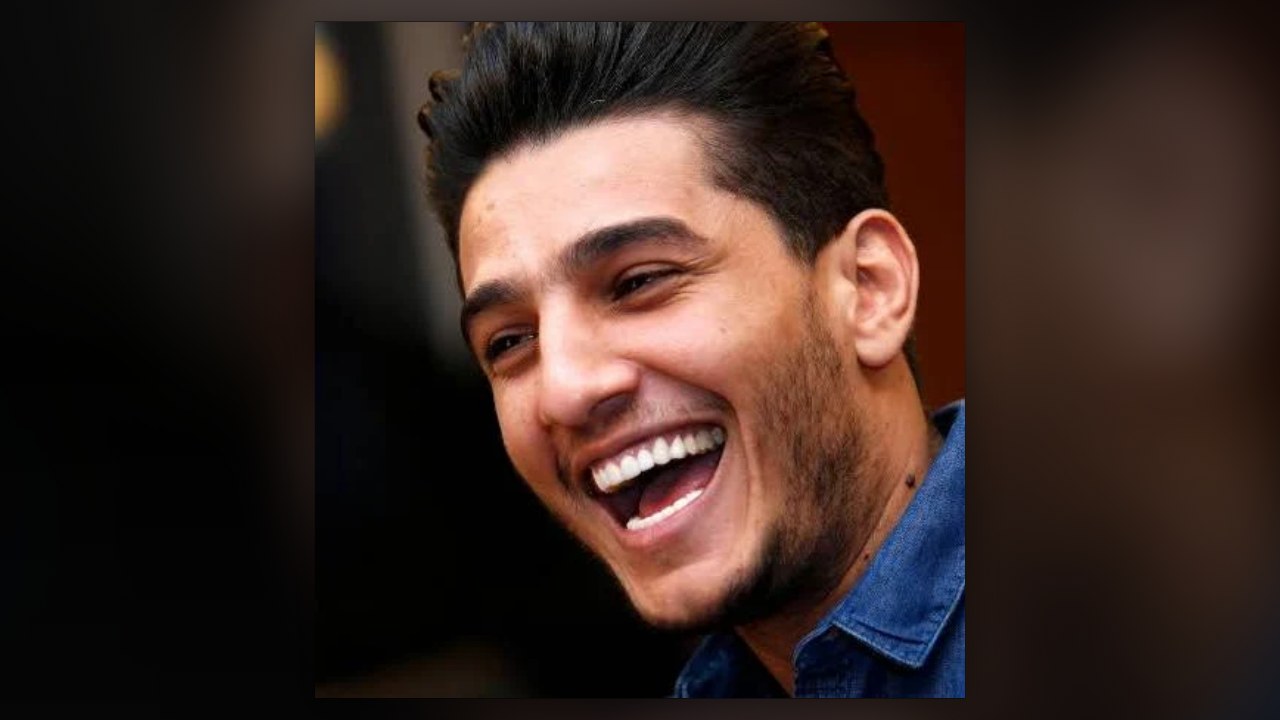
Photo: Times of Palestine
Original Reporting
In the spring of 2013, a 23-year-old wedding singer from the Khan Younis refugee camp spent two days stuck at the Rafah crossing, trying to reach an audition in Cairo. He arrived after the gates had closed. No more numbers were being handed out.
So Mohammed Assaf climbed the wall.
He got inside the venue with no audition slot and no way to be heard. Then a fellow Gazan contestant, hearing him sing in the hallway, handed over his own number — telling him, as the story has been retold across the Arab world ever since, that he stood the better chance.
The night the streets sang#
Three months later, on a June night in Beirut, Assaf won Arab Idol — the first Palestinian to take the title. His anthem «علّي الكوفية», Raise Your Keffiyeh, turned the finale into something no talent show had seen: squares filling in Gaza, Ramallah, Nazareth and the refugee camps of Lebanon, a rare night when every Palestinian geography celebrated the same thing at the same time.
The homecoming crowds in Gaza were so large they overwhelmed his convoy, Gulf News reported at the time. UNRWA named him its first Regional Youth Ambassador; the Palestinian government named him ambassador of culture and arts.
Hany Abu-Assad's 2015 film The Idol carried the story to festival screens worldwide — the camp, the crossing, the wall, the borrowed number.
A voice barred from home#
The same voice that unified Palestinians drew the occupation's attention. In October 2020, Avi Dichter, a Likud member of the Knesset, announced that Israel would revoke Assaf's permit to enter the West Bank, citing videos in which the singer called for resistance. Middle East Eye reported the ban as extending to Jerusalem; Arab News described the move as the latest front in a war on Palestinian culture.
Assaf, by then based in the Emirates with his family, answered the only way available to him. He kept singing.
The 2026 chapter: singing for a wounded Gaza#
This year the boy from Khan Younis headlines world stages that his own hometown cannot host. In January he performed in Australia for the first time, headlining "Palestine Unites Us" at Sydney's ICC Theatre — an evening of Palestinian culture raising funds for the Palestine Children's Relief Fund.
In June his tour reached Cincinnati; his 2026 calendar runs through arenas from North America to Europe, a full band behind him and the keffiyeh always somewhere on stage.
Khan Younis, the camp that raised him, has spent the war between evacuation orders and rubble. Its most famous son now carries its name into rooms its residents cannot reach — every concert both a celebration and a census of what the audience left behind.
The company he keeps#
Assaf's arc — checkpoint to world stage — is no longer his alone. Elyanna, born in Nazareth, became the first artist to perform a full set in Arabic on Coachella's stages.
Mo Amer turned a Palestinian refugee childhood into Mo, an acclaimed Netflix series watched worldwide. Sama' Abdulhadi carried Ramallah's techno scene to the world's biggest festivals. Saint Levant, born in Gaza, raps in three languages to sold-out rooms about the city he cannot enter.
Each of them found a stage the checkpoints could not close. Times of Palestine's arts desk will tell their stories one by one — starting with the wedding singer who climbed a wall in Cairo because his mother told him not to turn back.