Sport
Rajoub launches the Thousand Martyrs Cup with 226 Palestinian clubs
Graphic: Times of Palestine
Original Reporting
The Newsdesk gathers reporting from wire services and primary sources and rewrites every story in-house before publication. How our journalism is made →
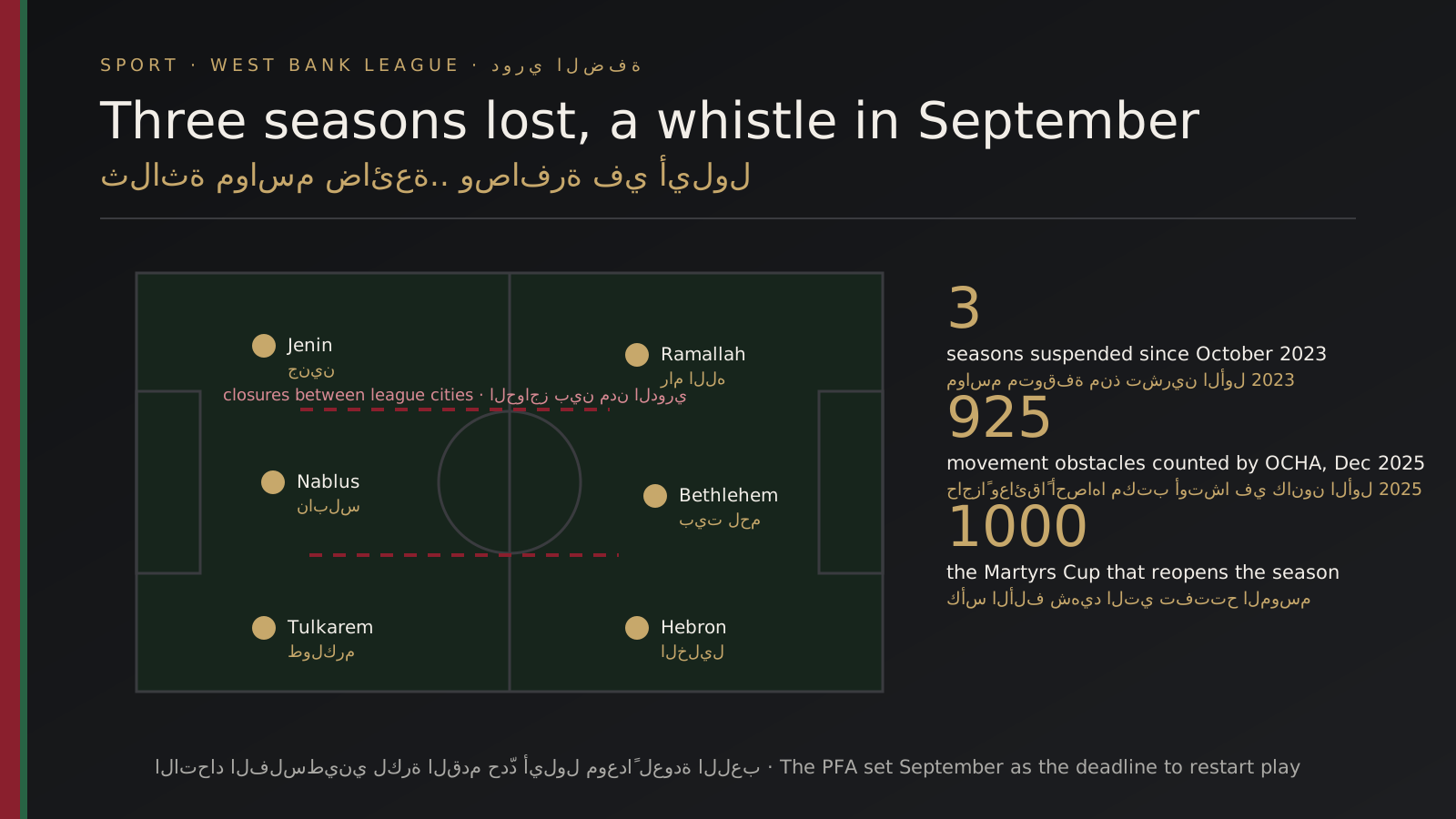
Palestinian football has set the date for its return. Jibril Rajoub, the president of the Palestinian Football Association, announced that the Thousand Martyrs Cup kicks off on 4 September — the first organized domestic competition since the war stopped the game three years ago, the London-based daily Al-Araby Al-Jadeed reported this week.
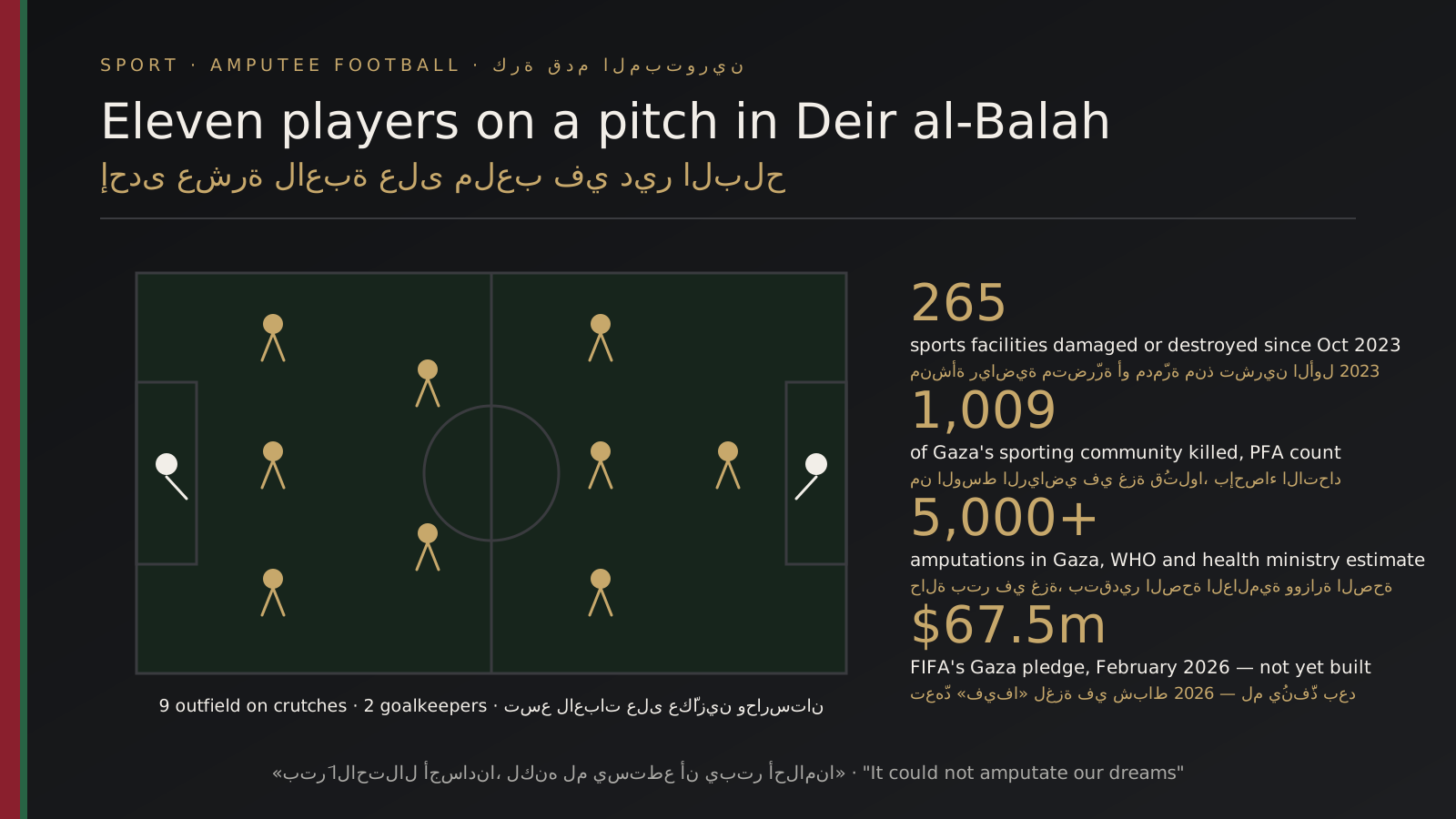
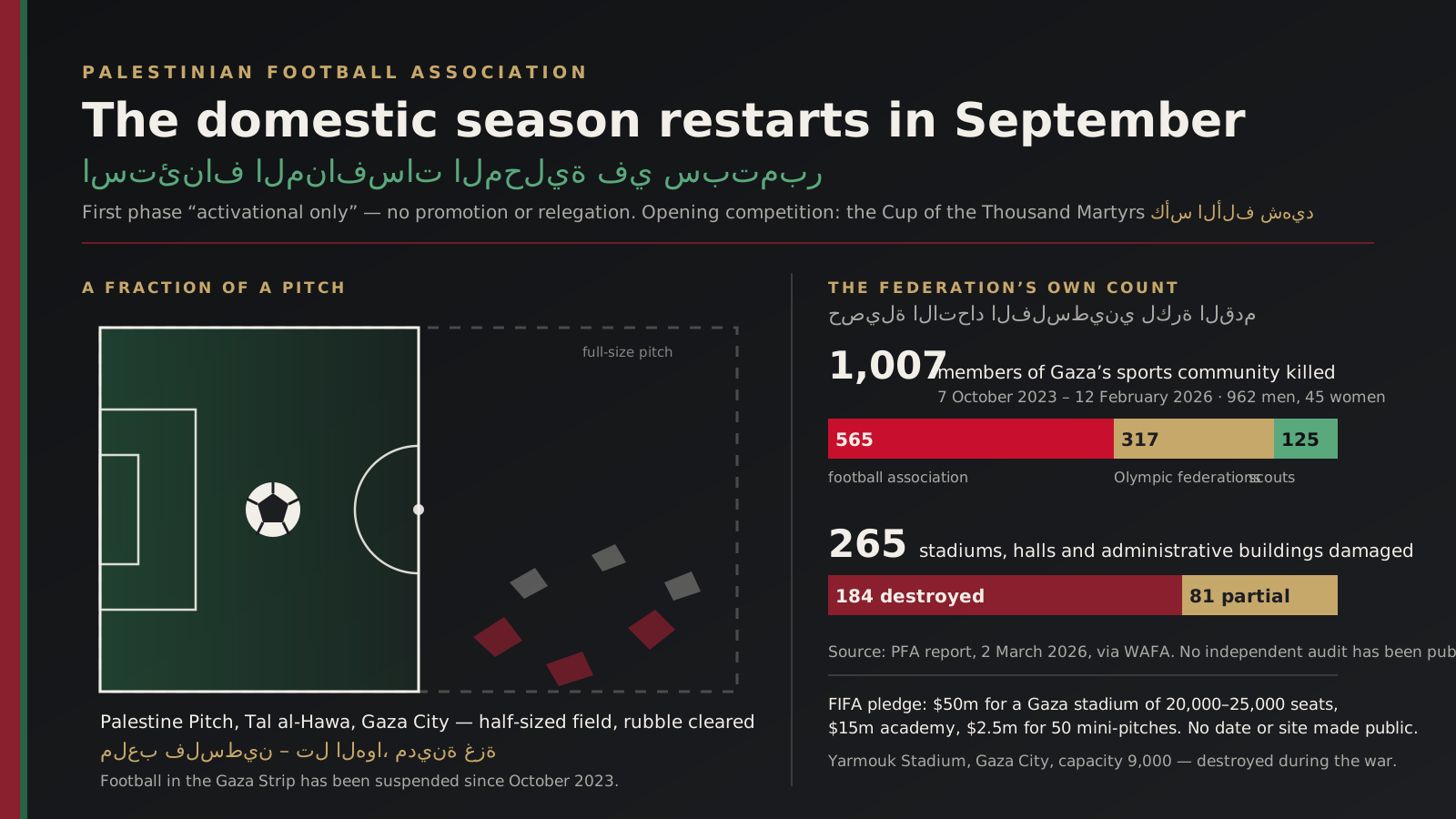
The tournament's name is its own report. The federation counts 1,014 Palestinian athletes killed since October 2023, and it has named the competition for all of them.
A cup played in three countries#
The scale of the entry list says what the competition means. Two hundred and twenty-six clubs have signed on: 146 from the occupied West Bank, 44 from Gaza, and 36 from the Palestinian refugee camps of Lebanon.
Competition opens with three simultaneous kickoffs — one in the northern governorates of the West Bank, one in the southern governorates in Gaza, and one in the Ein al-Hilweh camp near Sidon. The clubs then play group stages drawn by governorate and branch.
The federation has commissioned three copies of the trophy, made in the West Bank, Gaza and Lebanon. Each carries the names of the 1,014 dead.
The cup itself is the memorial: three trophies, one for each territory of the game, engraved with 1,014 names.
Club registration opened on 2 August and closes on 25 August, the federation said, and the announcement of the format this week turned a promise into a fixture list.
What stopped, and what resumes#
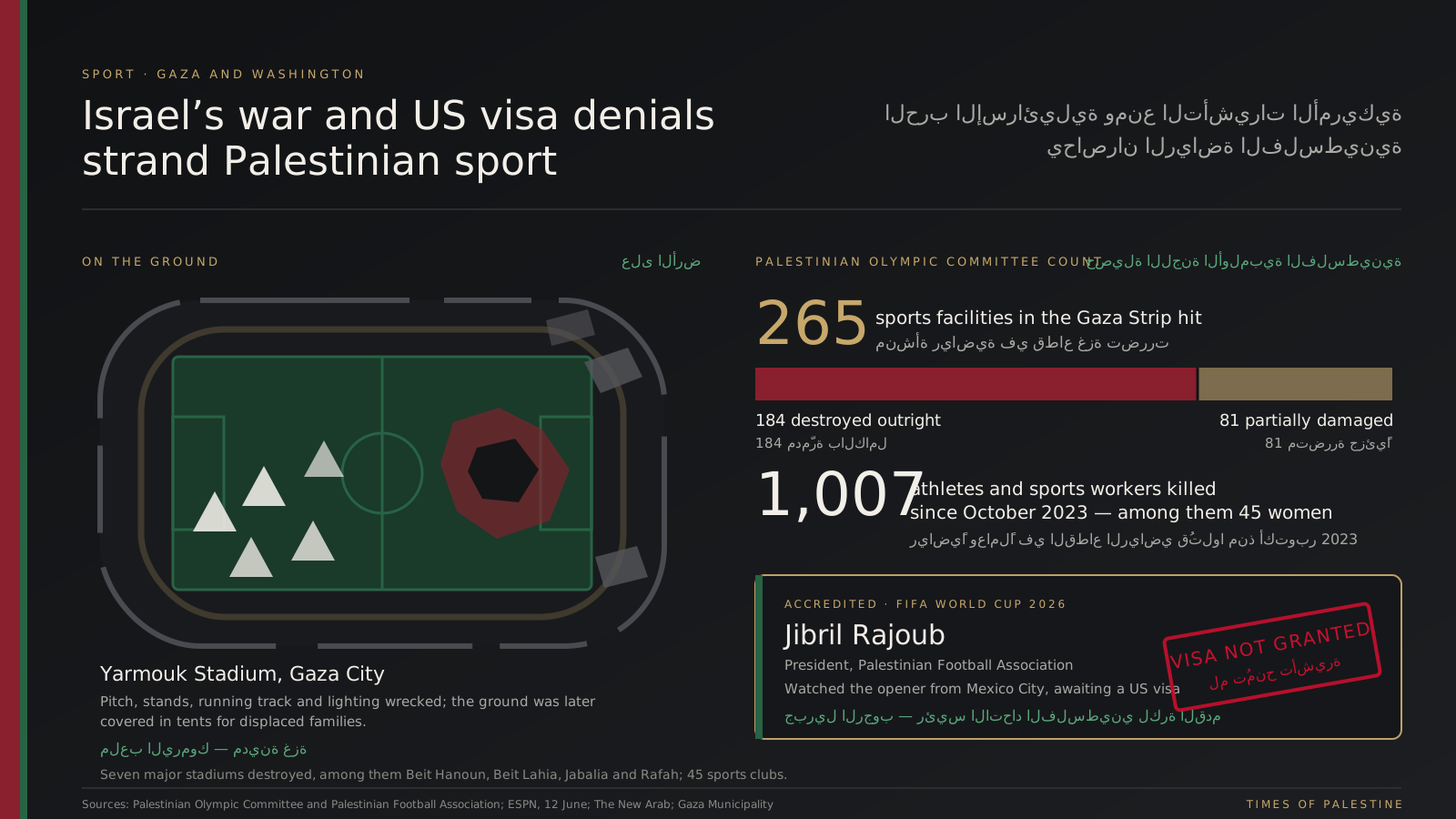
The Palestinian professional league last completed a season in 2023. When the war began that October, every domestic competition stopped, and the federation spent the years since counting its dead and documenting its demolished grounds.
Gaza's 44 entrants will play amid that destruction — the southern branch of the draw is itself a statement that the game continues where the stadiums do not.
The national team kept playing through the stoppage, carrying its World Cup qualifying campaign to neutral grounds, and sits 95th in the FIFA rankings. What it lacked was the base of the pyramid: a domestic game producing players. Officials who spoke to Al Jazeera in June put the cost plainly — losing three years set the game back twenty.
September's kickoff does not rebuild that. It restarts it, with the dead named on the cup and 226 clubs entered to play for it.