Her Story
Israel holds 90 Palestinian women as freed detainees describe abuse
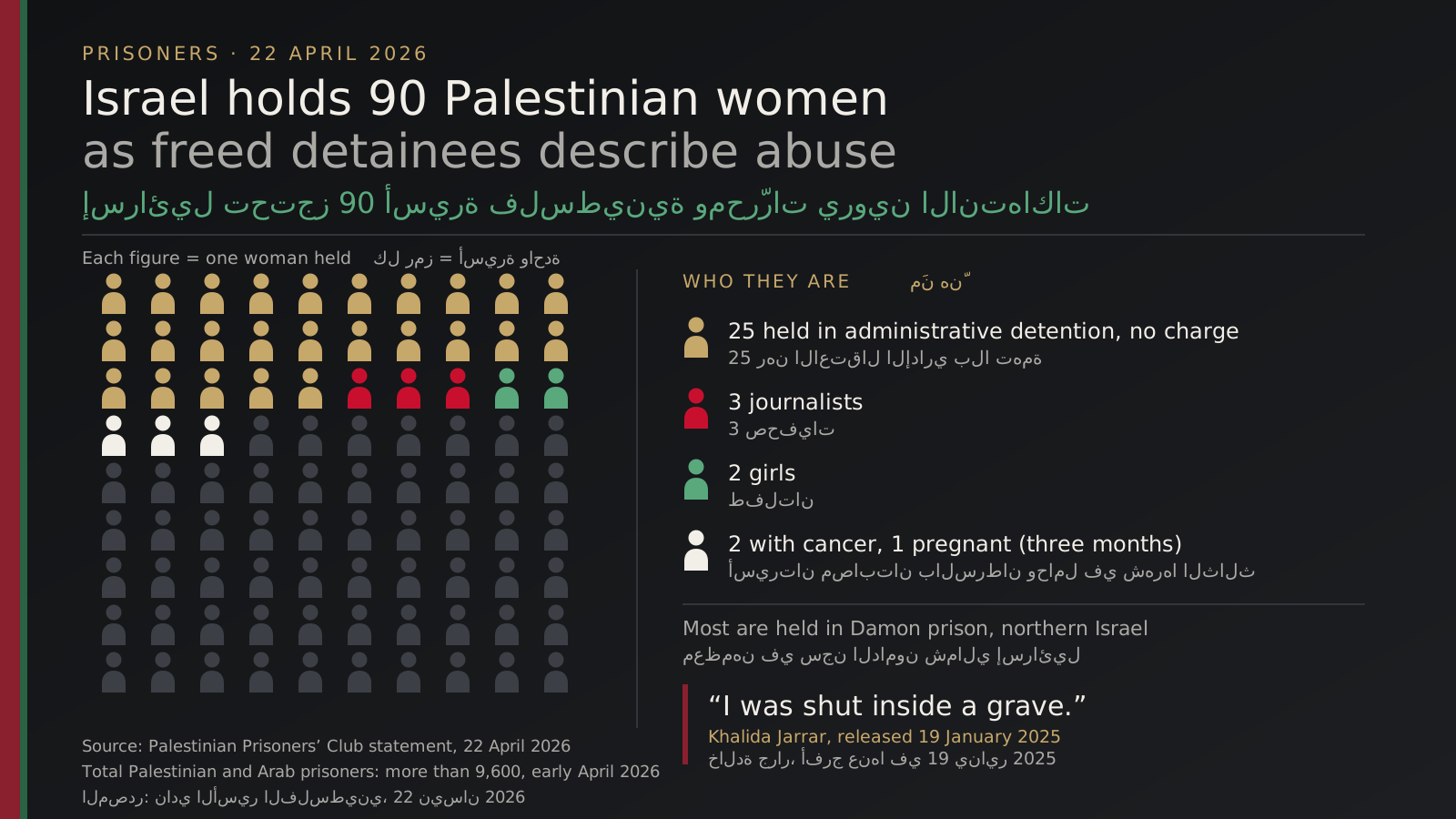
Graphic: Times of Palestine
Original Reporting
The Newsdesk gathers reporting from wire services and primary sources and rewrites every story in-house before publication. How our journalism is made →
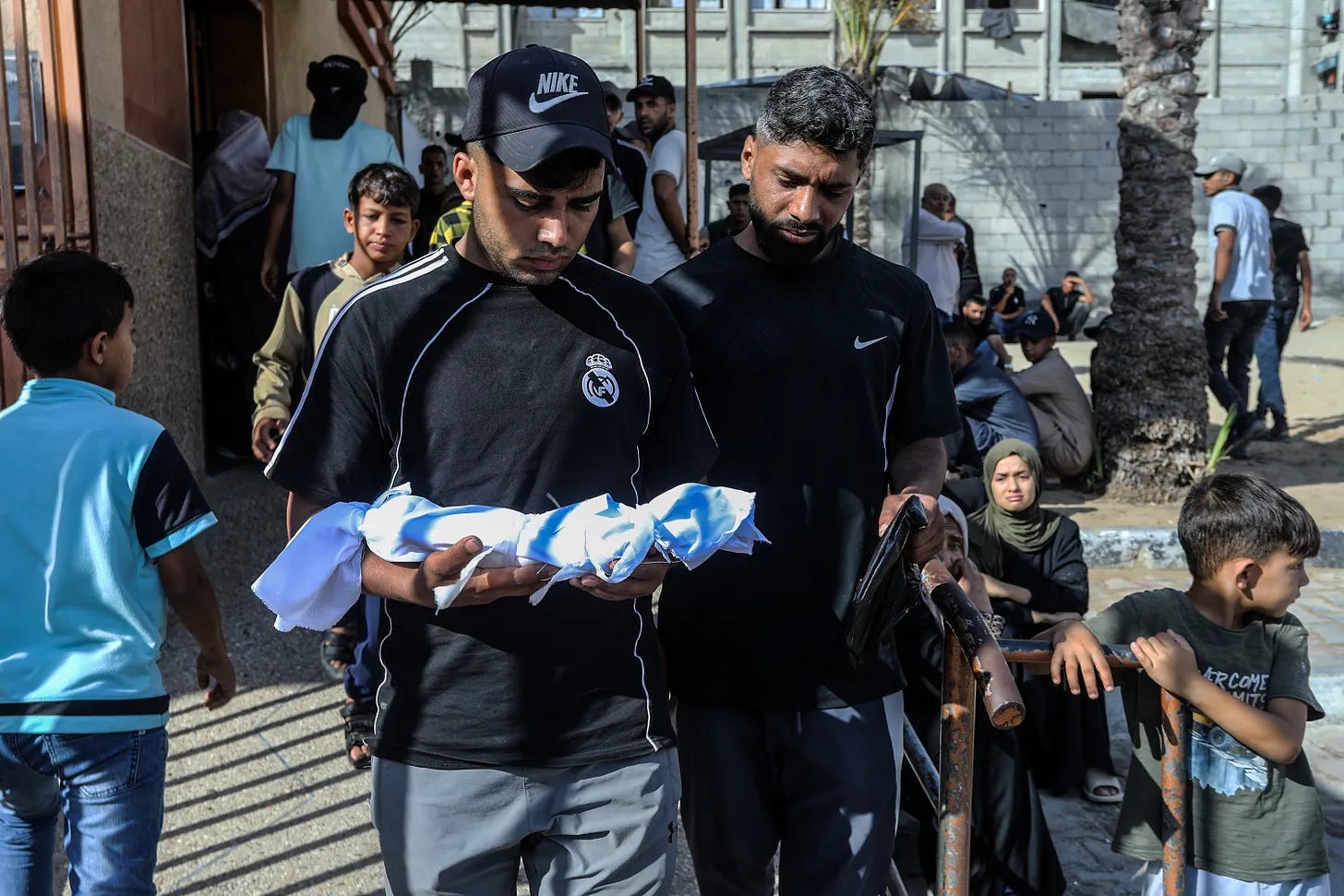
"They saw their father killed, their mother handcuffed and taken away," Mervat Sarhan told ABC News in October 2025, days after her release. "My children are still traumatised to this day."
ABC News reported that Sarhan, a mother of five from Khan Younis, was arrested in May 2025 after Israeli forces stormed the family home in Gaza and killed her husband, and that she described beatings, hangings and electric shocks in detention, and being told her children had been killed.
Al Jazeera, which interviewed her in Gaza in October 2025 after nearly five months in Israeli custody, carried the same account, including threats against her children during interrogation.
Hers is one of a growing body of published accounts by Palestinian women released since the January 2025 ceasefire exchanges, set against detention numbers that have climbed back to their wartime peak.
The Palestinian Prisoners' Club said in a statement on 22 April 2026 that the number of women held by Israel had risen during that month to 90 — a figure previously recorded, it said, at the height of arrest campaigns in the West Bank early in the war on Gaza.
Al Jazeera Arabic, reporting the Club's statement the following day, listed the breakdown: most held in Damon prison in northern Israel, among them two girls, a woman three months pregnant, 25 administrative detainees held without charge, three journalists and two women with cancer.
Eight days earlier, the Commission of Detainees and Ex-Detainees Affairs, the Prisoners' Club and Addameer had put the number of women at 86 in a joint statement carried by the official Palestinian news agency WAFA on 14 April 2026, within a total prison population of more than 9,600 Palestinians and Arabs at the start of that month.
Khalida Jarrar, the former Palestinian Legislative Council member released on 19 January 2025 in the first ceasefire exchange, described her six months of isolation in a single line quoted by the Institute for Palestine Studies' palquest encyclopaedia: "I was shut inside a grave." The same account records that she emerged emaciated, her hair white, barely able to walk.
Al Jazeera reported at the time that she had been held in solitary confinement under administrative detention, which allows Israel to hold people without charge or trial.
Ninety Palestinian women and children were freed that day, Al Jazeera reported. Palestinian politician Hanan Ashrawi told Middle East Eye that all those released on 20 January 2025 had endured "severe ill treatment including verbal and physical violence, deprivation and isolation."
Accounts from women released from Gaza detention are, in the main, published without names.
The Palestinian Centre for Human Rights said in November 2025 that its staff had collected new testimonies from Gazan detainees released in the preceding weeks, describing organised sexual torture, and identified one case only by initials: a 42-year-old mother detained at an Israeli checkpoint in northern Gaza in November 2024.
PCHR noted it had issued a detailed report on the treatment of former detainees from Gaza in May 2025.
WAFA published in November 2025 the account of a 42-year-old woman from northern Gaza, also identified only by initials, who said she was raped in Israeli detention. "I was screaming and no one heard me," she said. "I begged for death rather than remain bound beneath their hands."
A study published in the journal Middle East Policy in February 2026, drawing on interviews with 50 formerly imprisoned Palestinian women, reported beatings, strip searches, solitary confinement and denial of medical care in overcrowded and unsanitary conditions, with limited access to lawyers, and found pregnant women and minors especially exposed.
The UN Commission of Inquiry, in its report of 13 March 2025, concluded that Israeli detention is marked by widespread and systematic sexual and gender-based violence, and that such practices had grown sharply in severity and frequency since October 2023. In the statement accompanying that report, the Commission said forced public stripping and nudity, sexual harassment including threats of rape, and sexual assault had become standard operating procedure.
On 29 May 2026, Haaretz reported, Secretary-General António Guterres added Israeli security forces to the UN list of parties credibly suspected of conflict-related sexual violence, in a report citing rape and other sexual violence against Palestinian detainees in custody and during interrogation. WAFA's English service, reporting the same document, said the patterns it recorded continued through 2025.
The Israel Prison Service rejects the allegations. "The allegations raised are false and entirely unfounded," it told The Times of Israel on 11 May 2026, responding to a New York Times column alleging a pattern of sexual violence by soldiers, settlers and guards, and said it operates in accordance with the law. Israeli officials, The Times of Israel reported three days later, called the column a "blood libel."
Conditions inside Damon remain contested in public. The Commission of Detainees Affairs said in a report on 20 July 2026, relaying its lawyer's prison visits, that the roughly 90 women there face hunger, humiliation and collective punishment.
The prisoners' media office, cited by Palinfo on 26 July 2026, said women were forced to lie face down for about an hour, handcuffed and blindfolded, during a raid on their section, and returned to their rooms without medical care.
No public record establishes whether any Israeli prison officer or interrogator has been disciplined or charged over the accounts described by released women. Nor has any Palestinian or UN body published a consolidated figure for how many women Israel has released since January 2025.
The women named in the Commission's July report — among them a 53-year-old from Ramallah held since 9 February 2026 without a verdict — are still inside.