Israeli Press
Israel's Friday papers weigh Qusra, a sinking Likud and Lebanon
Running file The Qusra File DAY 51 →
Graphic: Times of Palestine
Original Reporting
The Newsdesk gathers reporting from wire services and primary sources and rewrites every story in-house before publication. How our journalism is made →
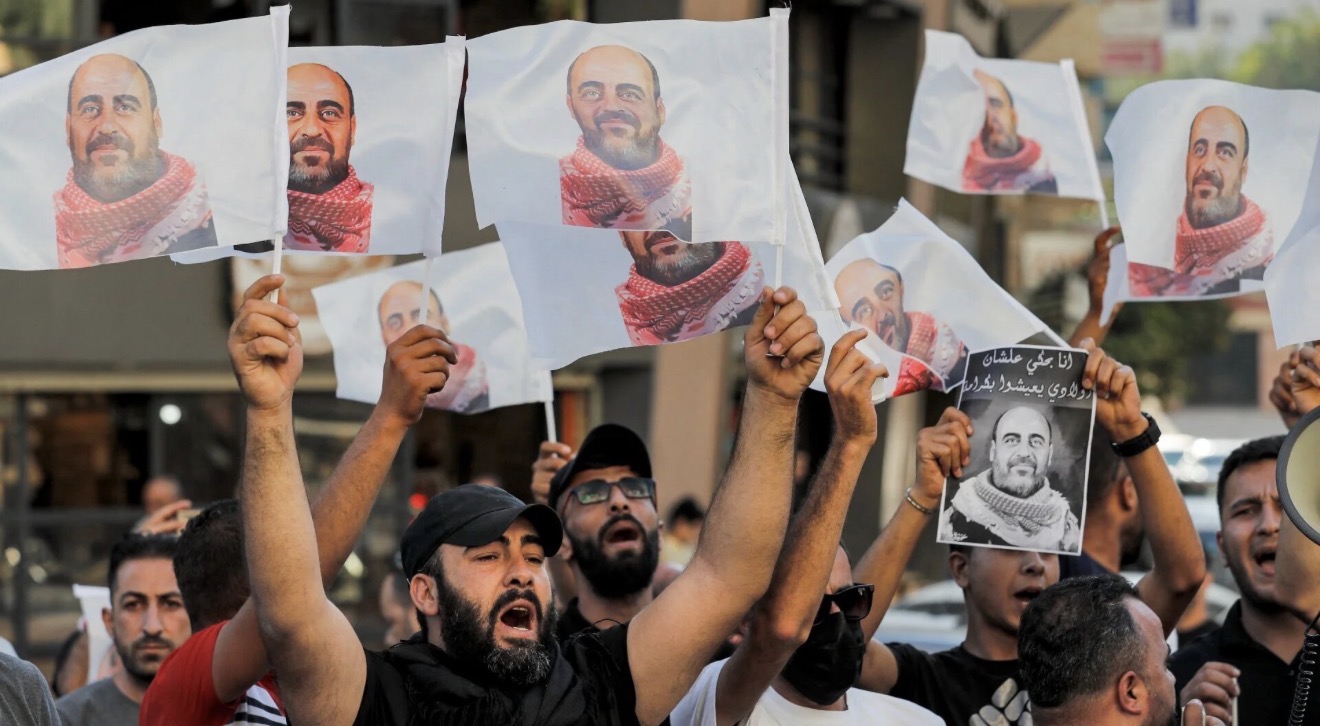
The occupied West Bank stayed on the Israeli front pages for a third morning, but Friday's papers spent most of their space on the two things Israeli politics is actually about this month: the seat count and the next front.
Ynet led on Israel Katz ordering the army to prepare a plan handing law enforcement over settlers to the police, with legal experts in its own copy calling the announcement populist eyewash. Beneath it the site reported that the outpost at Qusra had been rebuilt overnight and dismantled again within hours.
Ynet's second front was Lebanon. A security official in Beirut told the site that Washington had informed the Lebanese authorities it could not stop an Israeli operation on the Ali Taher ridge, while demanding it be surgical and keep civilian losses to a minimum.
The same paper ran an unusual piece of self-criticism from its own defence desk, counting fifteen alarming reports attributed to anonymous security sources in recent weeks — an Iranian nuclear threat, a resurgent Syrian air force — some of which proved false, and most of which found their way into Netanyahu's speeches.
Maariv gave its politics page to arithmetic. Its poll put Likud at 21 seats and Gadi Eisenkot eleven points clear of Netanyahu on fitness for office, and its lead story described the prime minister holding a round of soul-searching conversations with Likud members, fearing that MKs pushed out in the primaries will back a constructive no-confidence motion.
Maariv also reported the Press Council's protest to the army over journalists blocked from Qusra while Channel 14's reporter went in, and carried senior voices in the change bloc complaining that Eisenkot is busy with his own coronation while the camp goes unprepared.
Bezalel Smotrich took the day's other headline with a plan to cut reserve duty to thirty days a year by returning fifty thousand soldiers to regular service and widening the ultra-Orthodox draft. His rivals answered that after three years of war he had only now woken up.
For a reader in Qusra, the shape of the Israeli morning is this: an argument about which force should stop the settlers, and no argument at all about prosecuting them.