Research & Investigations
Settlers pitch tents at Palestinian doors to empty communities
Graphic: Times of Palestine
Original Reporting
The Newsdesk gathers reporting from wire services and primary sources and rewrites every story in-house before publication. How our journalism is made →
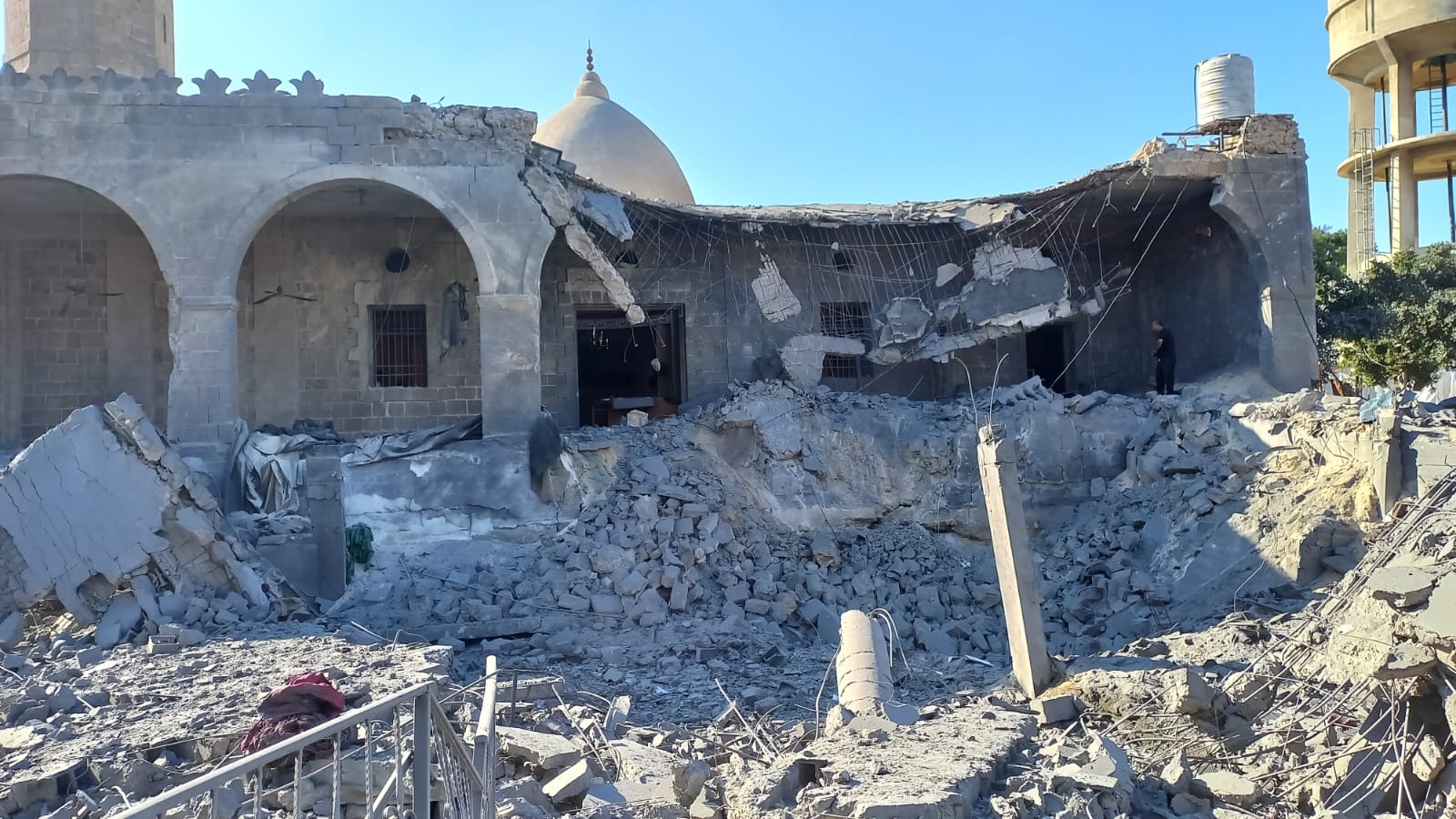
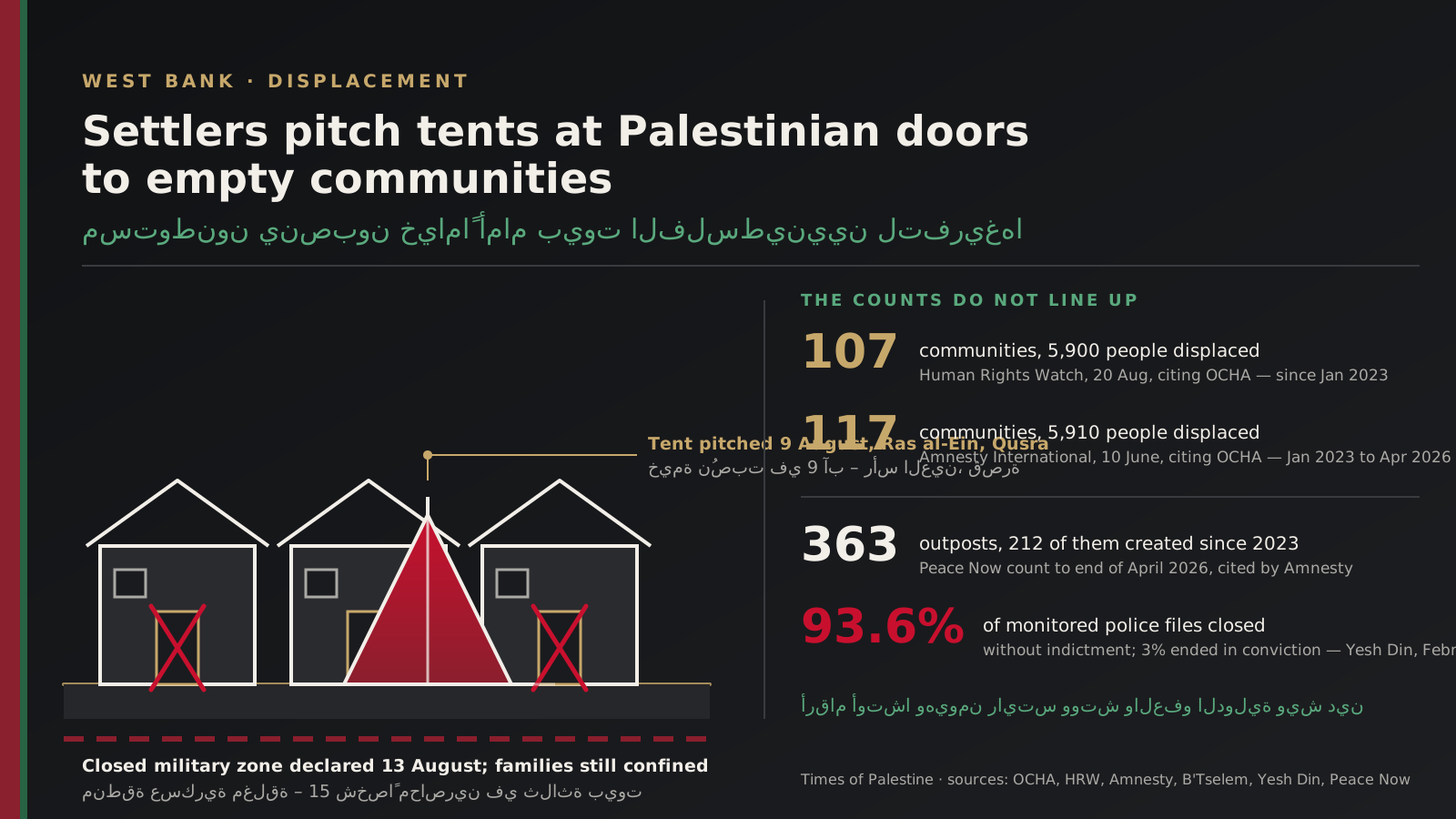
The tent went up on 9 August, a few metres from the walls of three Palestinian homes on the Ras al-Ein hill above Qusra, south of Nablus. Three weeks later, according to the Times of Israel, the families inside still could not leave without coordinating their movement with soldiers.
What happened at Ras al-Ein is not a single incident. In a report published on 20 August, Human Rights Watch said settler violence had fully or partially displaced 107 Palestinian communities comprising 5,900 people since January 2023, citing research by the UN Office for the Coordination of Humanitarian Affairs.
The organisation said settlers responsible for attacks operate with the financial, material and legal backing of the Israeli state, and that attacks often occur alongside army units or with soldiers standing by.
The counts published this year do not line up. Amnesty International, releasing its own 149-page report in Berlin on 10 June, cited OCHA figures of 117 communities facing full or partial displacement between January 2023 and April 2026, with at least 5,910 people forcibly displaced by the end of that April. Neither published summary explains the gap between the two totals.
The sequence at Qusra is documented in a UN statement issued in August.
It records that in July, settlers from an outpost in the Ras al-Ein area cut the water and electricity supply to three nearby Palestinian homes; that on 9 August settlers closed all the gates and entrances to those homes and set up a tent between the houses; and that three households of some 15 people, including at least two children, were trapped inside.
Al Jazeera's Arabic encyclopaedia entry, published 21 August, dates the first settler incursions on the Ras al-Ein hill to January 2026, with settlers taking control of the water spring before the tent was pitched on 8 August.
Residents interviewed by Mondoweiss describe seven months of night attacks — a storage shed door torn off, farming tools destroyed, a fence removed, stones thrown at the houses. Those accounts are residents' testimony; they have not been tested in any published investigation.
The Israeli military's own position is on the record and has not matched its conduct at the scene. On 11 August the army issued a statement calling the establishment of settler outposts inside Palestinian villages "illegal, reprehensible and unacceptable"; the Times of Israel reported the same day that it had not dismantled them, and did not explain why troops had prayed with the civilians involved.
Overnight on 13 August, according to the army's spokesperson as reported by JNS, forces cleared the encampment and a sheep pen beside Qusra and declared the area a closed military zone. The declaration cut both ways.
The Times of Israel reported that Knesset member Ofer Cassif was delayed by security forces who told him the area was closed, and that on 28 August settlers were filmed driving freely through the same closed zone while the families remained confined.
Soldiers were stationed at the entrances to the homes and remained inside one of them, the outlet reported, after the army had said troops would not stay in houses they had occupied.
The legal machinery that turns presence into permanence predates Qusra.
OCHA's 2022 fact sheet on Masafer Yatta records that Israeli authorities designated part of the South Hebron Hills as Firing Zone 918, a closed military zone, in the 1980s, and that on 4 May 2022 the High Court of Justice ruled there was no legal barrier to expelling the residents.
The same fact sheet states that roughly 20 percent of the West Bank is designated as firing zones, affecting more than 5,000 Palestinians in 38 communities, and that the villages of Khirbet Sarura and Kharoubeh no longer exist.
In the Jordan Valley the instrument is the outpost rather than the firing zone. B'Tselem documented in January 2018 that the effect of the outposts far exceeds their built-up area, with settlers patrolling on horseback and ATVs to drive shepherds off grazing land.
Amnesty reported in June that Peace Now had counted 363 outposts by the end of April 2026, of which 212 were created since 2023, and that OCHA recorded 3,407 Palestinian homes and structures demolished in Area C between January 2023 and April 2026.
B'Tselem's figures, cited by Human Rights Watch, record at least nine communities in the northern Jordan Valley totally or partially displaced between 7 October 2023 and 31 December 2025, affecting at least 435 people.
The Association for Civil Rights in Israel petitioned the High Court in July, the Times of Israel reported, listing eleven herding communities in the northern Jordan Valley depopulated during 2025 and 2026, and arguing that communities decades old must be protected from displacement even without Israeli building permits.
Prosecution is the weakest link in the chain.
Yesh Din's data sheet published in February found that 93.6 percent of police investigation files it monitored into ideologically motivated offences by Israelis against Palestinians since 2005 closed without an indictment, that police investigative failure accounted for 82 percent of closures, and that 3 percent of files ended in conviction.
The group counted nearly 30 incidents of organised mass violence between 2023 and November 2025, with soldiers or police reported present at 16.
Israeli criticism has come from inside the system. Channel 12 reported on 21 August that army commanders were warning the political leadership that the West Bank is close to a violent escalation driven by settler attacks and outpost growth.
A settler leader told Israeli media on 13 August that the Qusra siege was "not our way". The US ambassador to Israel, Mike Huckabee, called the settlers besieging the homes "Israeli terrorists".
Channel 12 reported on 30 August that police were seeking to arrest settlers who rioted in Qusra, with some suspects believed to be in hiding. No charges have been reported. Whether the ground the tent stood on returns to its owners, or joins the outpost map, is not yet settled.